How does chicken feed the world?
5 reasons poultry became the world’s most popular protein

Chicken is part of everyday life for billions of people around the world.
From family dinners and school lunches to restaurant meals and celebrations, it is one of the most widely enjoyed foods on the planet. However, chicken is more than a favorite food. Its combination of nutrition, affordability and versatility has helped make it an important part of feeding a growing global population.
Read on to discover five reasons chicken has become the world's most popular protein.
1. Chicken provides essential nutrition
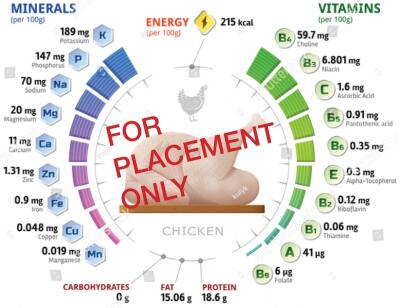 There's a reason chicken is a staple in households around the world. It provides high-quality protein along with essential nutrients that support growth, health and wellbeing.
Protein helps build and repair muscle, supports immune function, and plays an important role in everyday health. Healthy chicken is also a source of nutrients such as iron, zinc and B vitamins. As a lean protein, it provides valuable nutrition as part of a balanced diet. For children and young people, this nutrition is especially important, supporting healthy growth, learning and development. In many parts of the world, access to nutritious animal protein can also help address malnutrition and improve health outcomes.
Simply put, chicken combines nutrition, affordability and accessibility in a way few foods can.
2. Chicken makes animal protein accessible and appealing
 People don't choose chicken simply because it's nutritious - they choose it because they enjoy it. Affordable, versatile and easy to prepare, chicken fits naturally into everyday meals and special occasions alike.
Its popularity spans generations and cultures. Nearly 79% of consumers eat chicken weekly, while 77% say they prefer it to other proteins (source). From grilled and roasted dishes to sandwiches, wings and family favorites, chicken adapts to countless recipes and cooking styles.
Restaurants value that same flexibility. Different cuts help create a wide variety of menu options, while consumers appreciate chicken's taste, convenience and value.
Together, these qualities have made chicken one of the world's most popular and widely- enjoyed proteins.
3. Chicken supports global food security
Feeding the world is about more than producing enough food. It is about ensuring people have reliable access to safe, nutritious food that supports healthy lives.
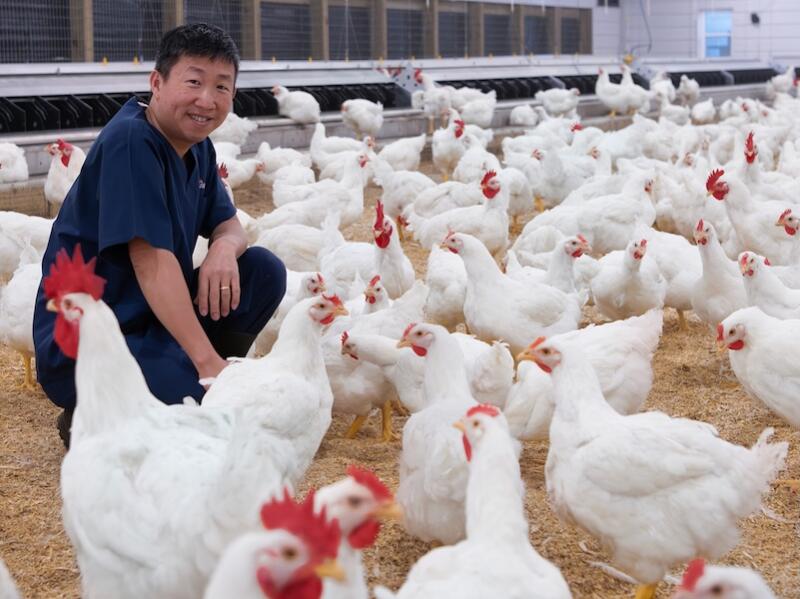
Chicken helps meet that challenge because it is produced around the world, widely available and generally more affordable than many other animal proteins.
The United Nations Food and Agriculture Organization (FAO) defines food security through four pillars: availability, access, utilization and stability. Chicken contributes to each of them by providing nutritious food that is widely available and supported by production systems designed to maintain a consistent supply.
4. Chicken brings people together across cultures
 Chicken is one of the few foods that crosses almost every cultural, religious and culinary boundary. From street food to family celebrations, it plays a role in cuisines around the world.
In Japan, chicken is enjoyed in dishes such as yakitori. Across Latin America, roast and grilled chicken are staples of family meals. In the Middle East, it is often served with rice and regional seasonings, while Europe, Africa, Asia and North America each bring their own traditions and flavors.
Different cultures also value different parts of the bird, from breast meat and wings to hearts, livers and chicken feet. This helps maximize the value of each bird while reducing waste.<
Whether served at a celebration or around the family table, chicken connects people through food in a way few proteins can.
5. Chicken supports a reliable global food system
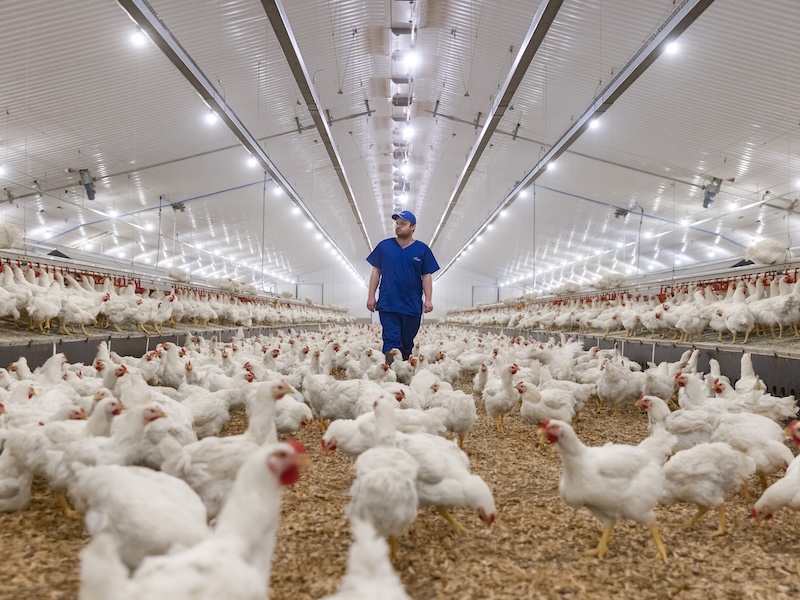
Most of us don't think about everything that happens before chicken reaches our plate. Yet behind every meal is a network of farmers, hatcheries, veterinarians, feed suppliers, processors, transporters and retailers working together to keep food moving.
At the beginning of that system are primary breeders like Aviagen, helping improve traits such as health, welfare, sustainability and efficiency. Those improvements benefit poultry producers around the world and help support a reliable supply of chicken.
More than 70 billion broiler chickens are produced globally each year, the progeny of hundreds of millions of parent stock birds. From breeding and hatching to farming, processing and distribution, each step plays a role in bringing chicken to communities around the world.

Feeding the future
As demand for nutritious, affordable food continues to grow, chicken will remain an important part of feeding the world. Supporting that future means balancing food security, animal welfare and sustainability across the poultry value chain.