Animal welfare explained: The role of breeding and management
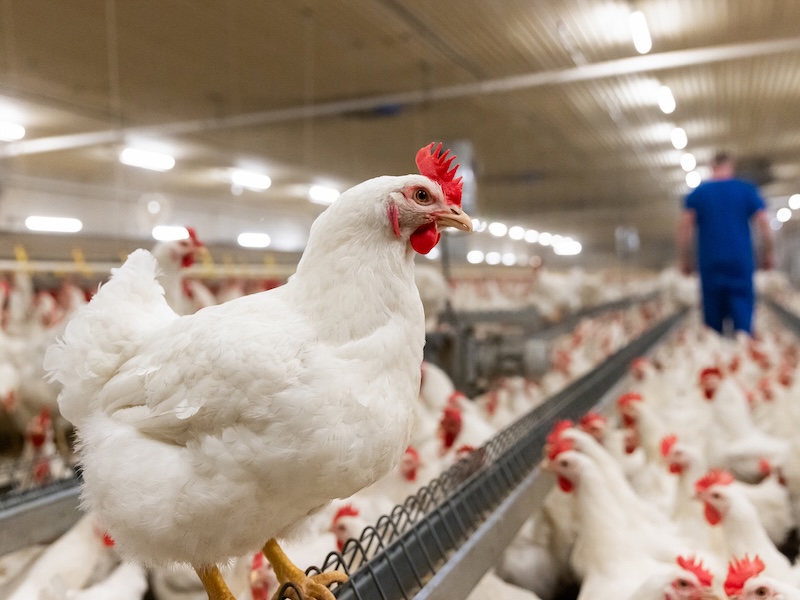
Chicken welfare in its simplest terms is understood as ensuring birds are free from pain, suffering, injury and disease.
This means providing the right environment, with suitable temperature, ventilation and litter quality, along with good nutrition, clean water, and space to express natural behaviors. But welfare goes beyond preventing problems. It is about helping birds stay healthy and comfortable throughout their lives.
As the poultry sector meets a growing demand for affordable, sustainable protein, bird well-being remains central to everything we do. At Aviagen, this is not a separate initiative or a box to tick. It is a continuous commitment that shapes both our breeding program and daily operations.
Understanding welfare perception
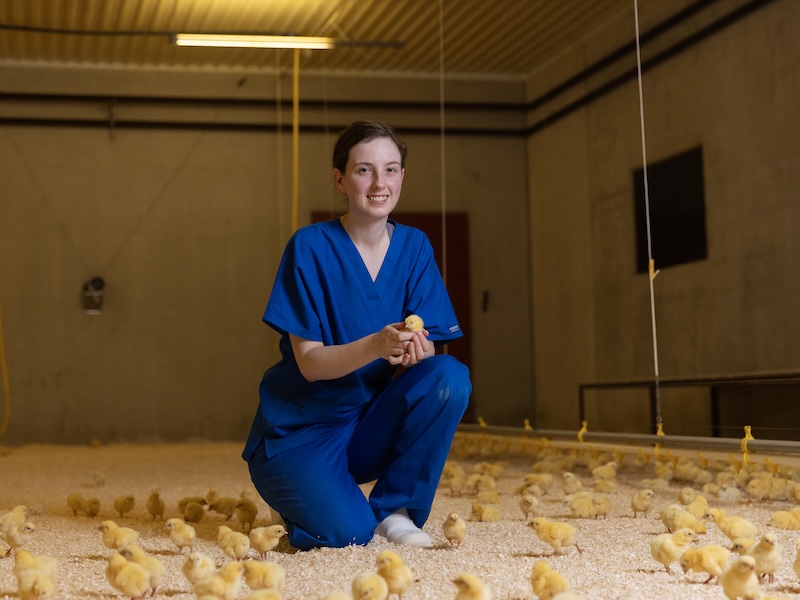
What people see as good welfare does not always match what the bird experiences. That’s why it’s important to look beyond human perceptions and focus on what genuinely improves the chicken’s comfort, health and overall well-being — rather than what simply feels right to us. This is why an evidence-based approach matters — using observation, science and ongoing learning to understand what truly benefits the bird.
Better welfare starts with breeding
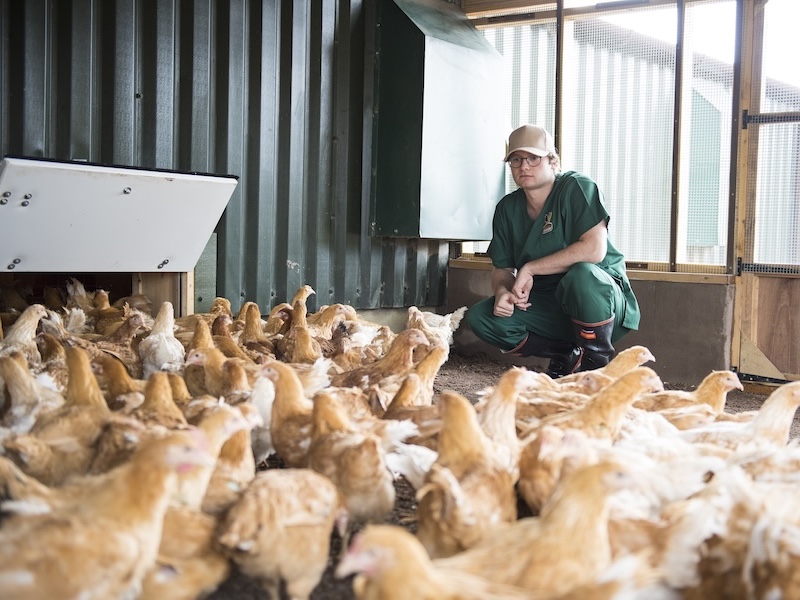
As a primary breeder, the decisions we make today shape the well-being and resilience of future broiler flocks worldwide. That’s why breeding for chicken welfare is firmly built into our strategy.
Aviagen’s balanced breeding program evaluates more than 40 traits, with over a third of selection focus on health and welfare characteristics. We don’t focus on growth or yield alone — instead, we balance robustness, livability, efficiency and sustainability.
This includes selecting for strong skeletal and leg health, good heart and lung function, and birds that can perform well in a range of environments.
By measuring these traits in our breeding program, we help ensure strong performance and bird welfare go hand in hand. We stay closely connected to our customers, learning from their day-to-day experience and feeding those insights back into our breeding program. This helps drive continuous improvement in bird health, welfare and performance.
Management shapes the outcome
While breeding sets the potential, management determines the outcome.
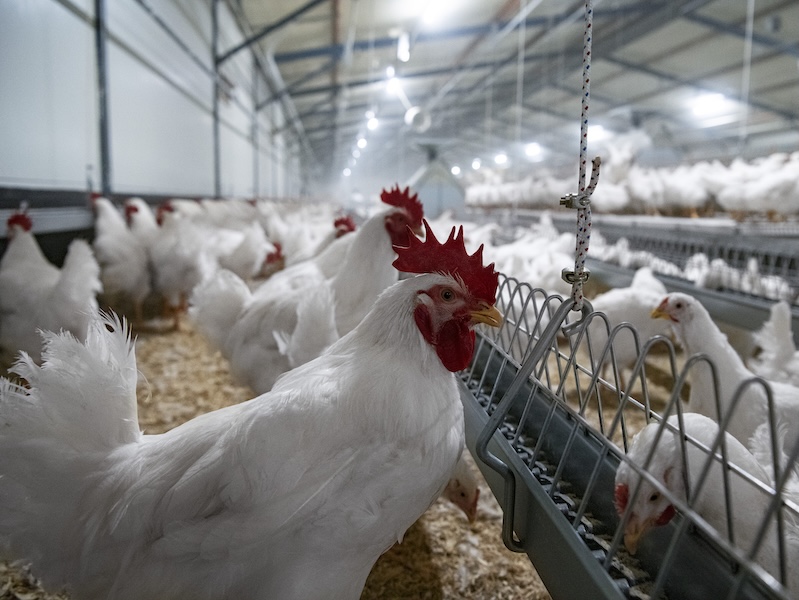
Even the most robust bird depends on skilled, attentive care. Daily stockmanship has a major influence on bird well-being. Research and field experience show that flock management can have as much – or even more – impact than the production system itself (source: Greenwell study; Science Direct).
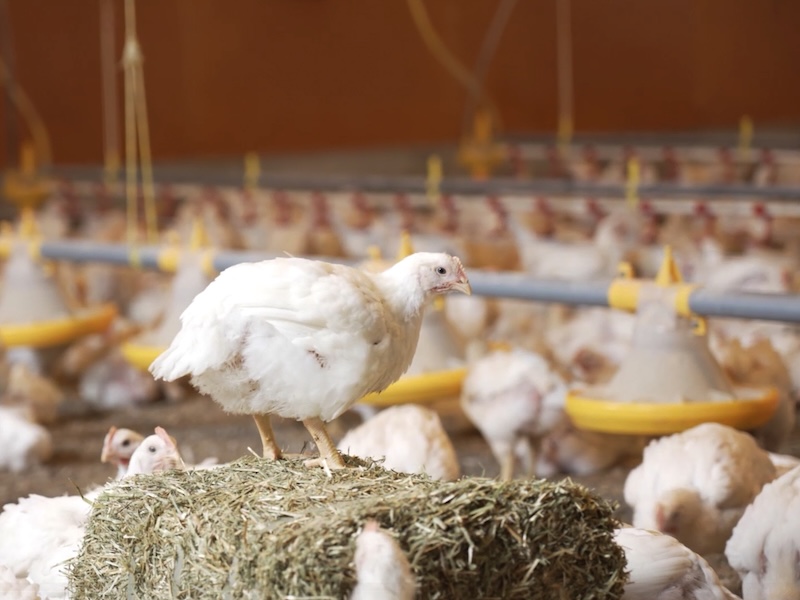
Whether birds are raised in conventional or alternative systems, the difference comes down to how well the environment is managed and how closely bird needs are understood.
Positive welfare depends on consistent attention to detail, and good management is key. In day-to-day poultry production, it is often small, consistent actions that make the biggest difference.
A culture built on care and respect
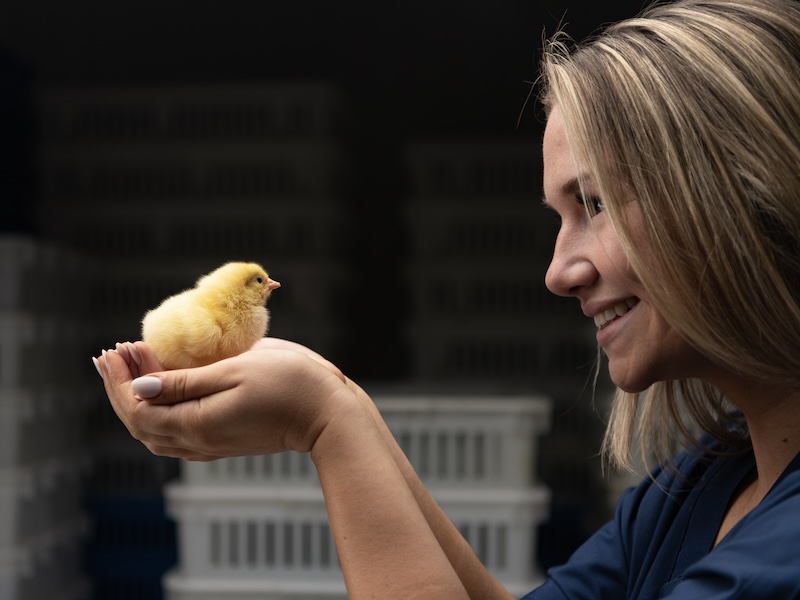
Our animal welfare policy is grounded in a simple principle: treating chickens with care and respect at all times.
This commitment runs through every part of the business — from pedigree farms and hatcheries to transportation and customer support.
Welfare, sustainability and food security: How they connect
Healthier, more resilient birds make better use of feed, water and other resources. They cope better with environmental challenges and support more efficient poultry production.
In this way, bird well-being is closely connected to sustainability and to the ability to provide affordable, nutritious chicken for families around the world.