Slower-Growing Chicken vs. Faster-Growing Chicken: What's the Difference?
Not All Chickens Are the Same
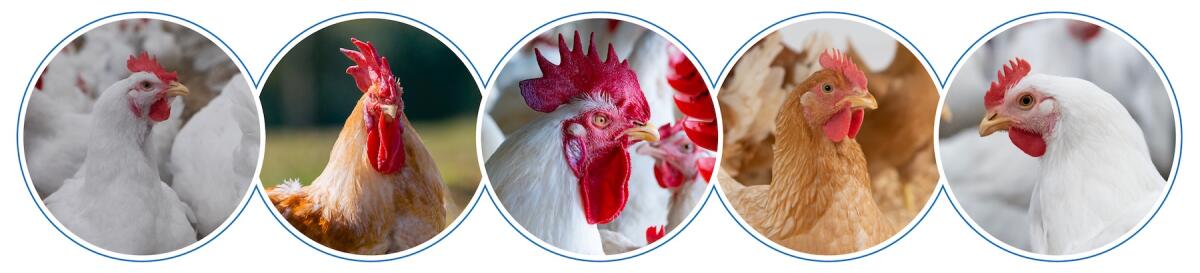
When shopping for chicken, labels can sometimes state ‘slower-growing’ or similar terms, which differentiate them from the ‘standard’ or ‘conventional’ faster-growing varieties.
So what does slower-growing really mean, and how does it compare to other, faster-growing chickens available today? In short, the main differences lie in how soon they reach market weight and how efficiently they use resources such as feed and water.
In addition, you may have heard nicknames like “turbo chicken” or “frankenchicken” used in the media to refer to faster-growing breeds. These terms are misleading and give an impression that there is something unnatural about the faster-growing chickens and that they are bred with no regard to welfare. Both faster- and slower-growing chicken breeds are bred using a balanced breeding goal that includes both biological efficiency and welfare.
With that context in mind, it helps to understand a few key terms in chicken production.
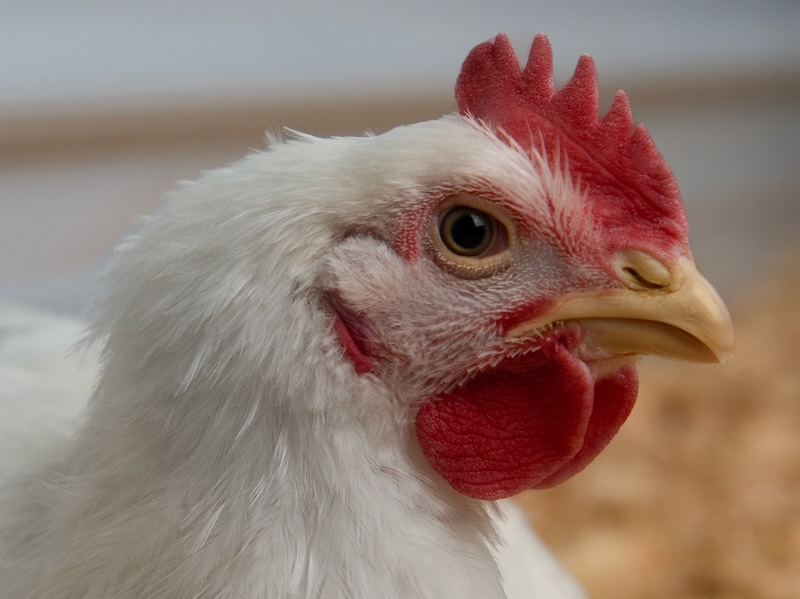
What is a Broiler Chicken?
Chickens that are raised and sold for meat are called broilers—the ones you purchase from your local grocer. They are bred for meat production rather than laying eggs. Broilers are raised to different processing weights depending on the type of product they are intended for. For example, whole roasting chickens, bone-in cuts, boneless cuts, and portioned or value-added products, such as ready-to-cook or ready-to-eat items that make meal preparation easier. No matter the type or size, all broilers are bred to produce meat efficiently, though growth rate and feed conversion may differ between slow-growing and faster-growing breeds.
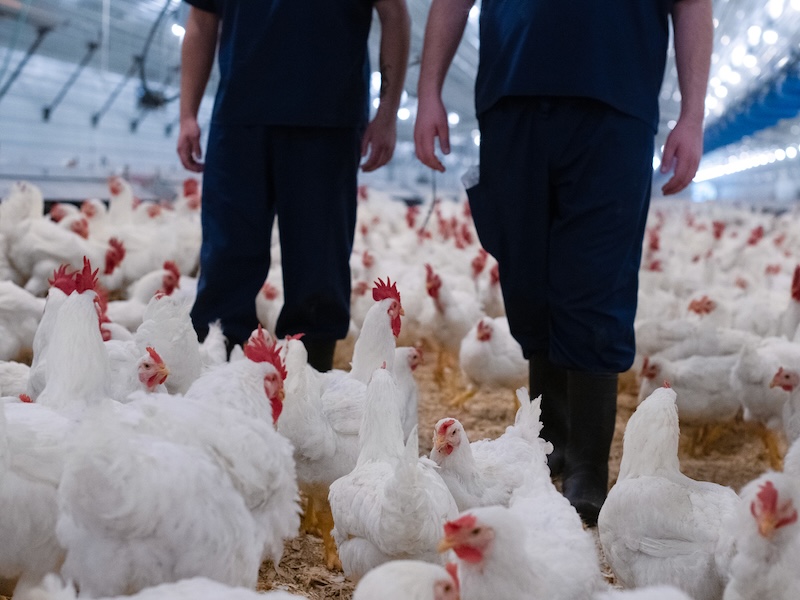
What is a Broiler Breeder Chicken?
A broiler breeder is a chicken that is specifically bred to produce eggs that will hatch into broilers. These birds are the parents behind the chickens raised for meat (broilers). Broiler breeders are not themselves raised for food; instead, they are managed to produce fertile eggs that help maintain a steady supply of meat chickens.
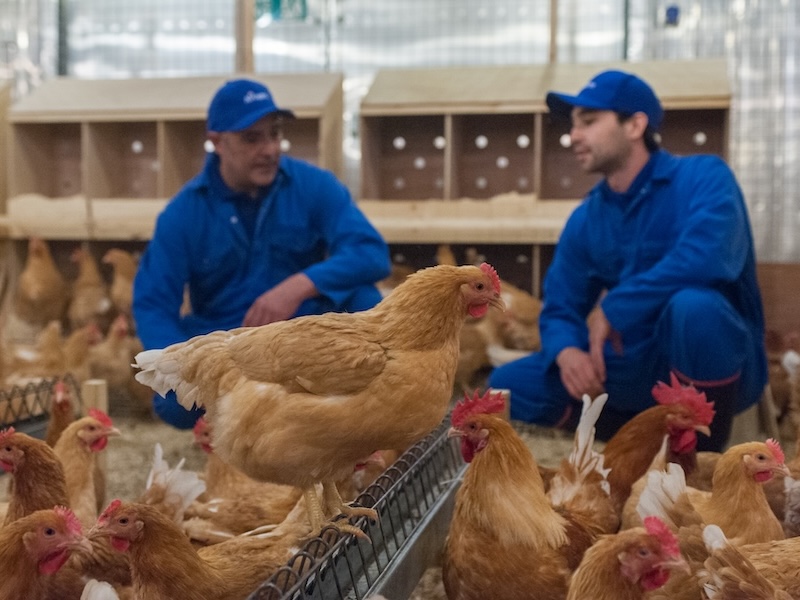
What is a Slower-Growing Chicken?
Slower-growing broiler chickens have a more gradual, lower growth rate, meaning they take longer to reach market weight. While these birds are still bred to be efficient at converting feed into body mass, their slower growth requires more feed and water, longer time in housing, and greater utility use over the longer production timeframe. Because the birds remain in production longer, additional housing space is also needed to produce a steady supply volume of chicken meat for consumers.
The extra inputs required due to a longer production cycle increase production costs and also result in a greater environmental impact, with slower-growing chickens having about a 30 to 40% higher carbon footprint when compared to faster-growing chickens.
As a result, slower-growing chickens are typically sold at a premium price in grocery stores and restaurants, which can make it less affordable for many price-conscious consumers to include regularly in their diets.
What is a Faster-Growing Chicken?
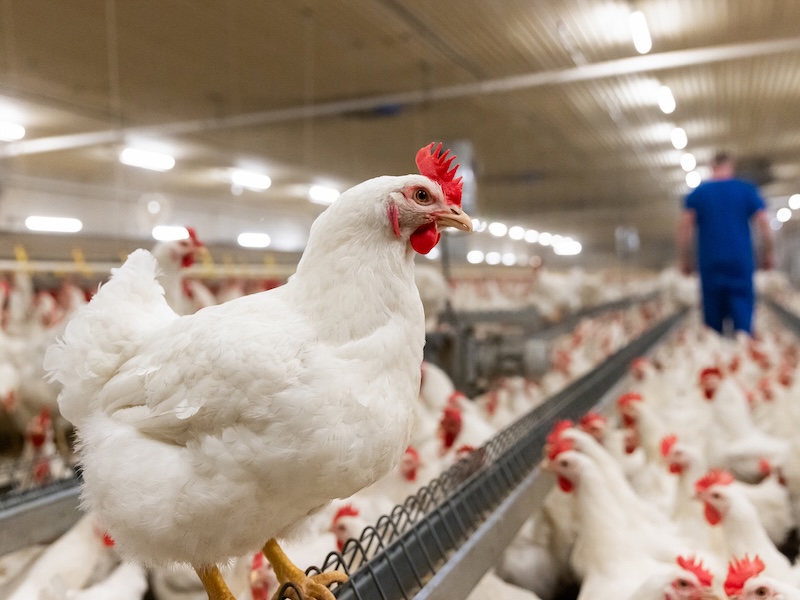
Faster-growing broiler chickens are bred to reach market weight more quickly. Like slower-growing chickens, they are selected to use feed efficiently, but they convert feed into body mass more efficiently and reach the market weight in fewer days than the slower-growing breeds.
A simple way to think about this is how people’s bodies use food differently. Two people can eat similar meals, yet one gains weight more easily while the other doesn’t. Neither is right nor wrong. Using the same analogy, slower and faster-growing chickens are different in the way they use feed to build body tissues over a period of time.
The better biological efficiency of the faster-growing chickens means less feed and water per bird is required. Because they reach market weight sooner, housing and utility use per flock occurs over a shorter period, allowing farmers to raise more flocks over time. These efficiencies also reduce their overall environmental impact—including carbon footprint and agricultural resources—compared to slower-growing chickens. Lower input costs make chicken more affordable for consumers and help keep grocery stores and restaurants supplied with high-quality protein.
What About Animal Welfare in Chicken Breeding?
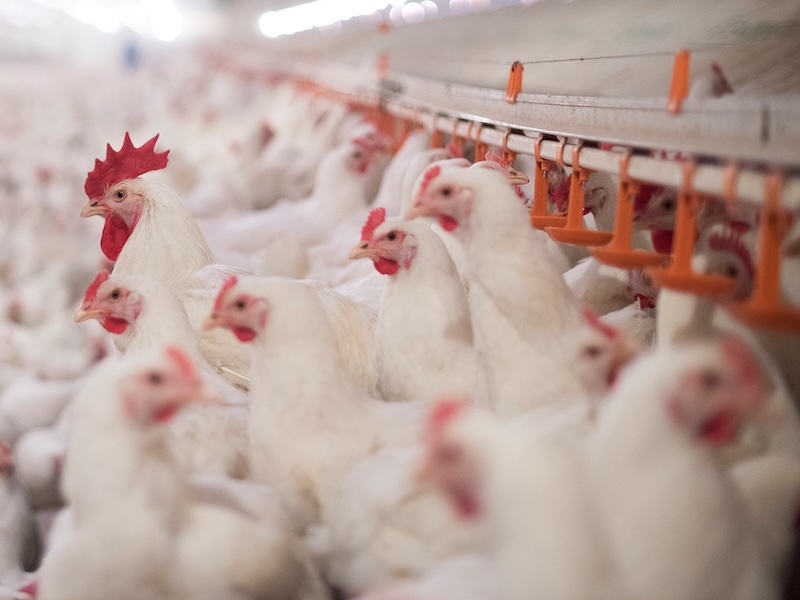
When we talk about animal welfare, we mean a chicken’s overall health and well-being, including its ability to move comfortably, thrive, and express natural behaviors (for example, dust bathing, preening, and foraging). Genetics alone doesn’t determine welfare – proper management, nutrition, and biosecurity also play a critical role in supporting the health and welfare of all broiler chickens.
In reality, both slower-growing and faster-growing chickens are selected using a balanced breeding approach that focuses on production efficiency traits, such as feed efficiency and meat yield, alongside welfare traits including good leg health, healthy hearts and lungs, overall robustness, and livability. Together, these traits reflect a breeding strategy in which animal welfare, health, and production efficiency are key priorities.
Although they are developed using the same balanced breeding principles, slower- and faster-growing broiler chickens differ in the time, feed, and other resources to reach market weight, leading to differences in production costs and environmental impact. These distinctions provide consumers with a choice that matches their individual values, preferences, and budget considerations.
Why Does Slower-Growing Chicken Cost More to Purchase?
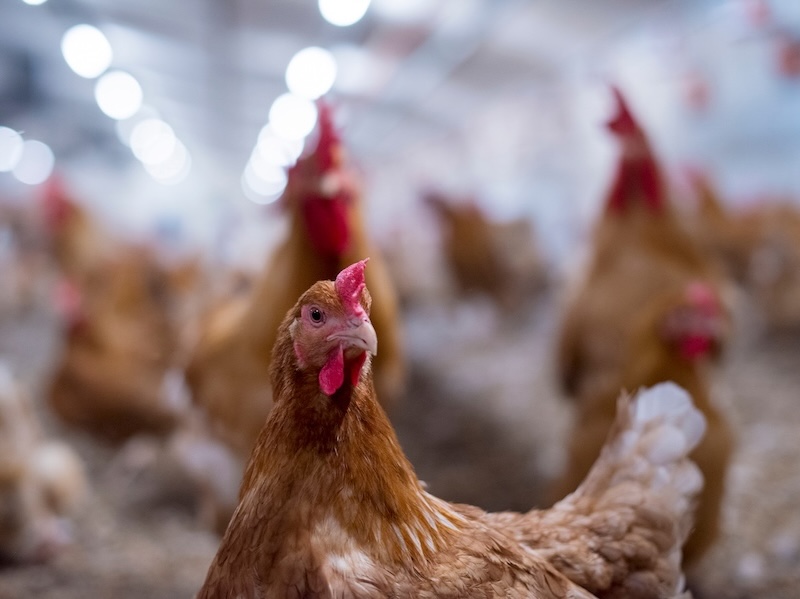
Slower-growing chickens take longer to reach market weight and require more inputs along the way, including feed, water, housing, labor, and energy. Because they remain in production for a longer period, the total cost of raising them is higher for farmers. These higher production costs are reflected in the retail price, which is why slower-growing chicken is typically sold at a premium compared with faster-growing chickens.

Consumer Choice Drives the Market
There is consumer demand for both slower-growing and faster-growing chicken. In some regions of the world, certain consumers prefer the slower-growing option, while other segments of the population prioritize affordability and a steady, widely available supply. These preferences reflect the diversity in the markets, shaped by values, economic realities, and cultural expectations around food.
Aviagen Supports Both Slower- and Faster-Growing
Aviagen produces breeding stock to supply both slower-growing and faster-growing broilers, giving producers the flexibility to meet different market needs. The balanced breeding approach for both supports animal welfare, efficient and affordable food production, consumer choice, and a reliable supply of high-quality chicken protein.
The Bottom Line
Slower-growing chicken takes longer to reach market weight, requires more resources, and thus costs more to produce—factors that are reflected in typically higher prices at the retail level.
Faster-growing chicken, by contrast, reaches market weight more quickly and is more resource-efficient, helping keep chicken affordable and accessible for everyday meals.
Both approaches are essential to a resilient food system. Everyone deserves the right to choose the foods they want to eat. By offering choice, the poultry sector can meet varied consumer expectations while supporting animal welfare, food security, sustainability, and global access to nutritious protein.